 Merken
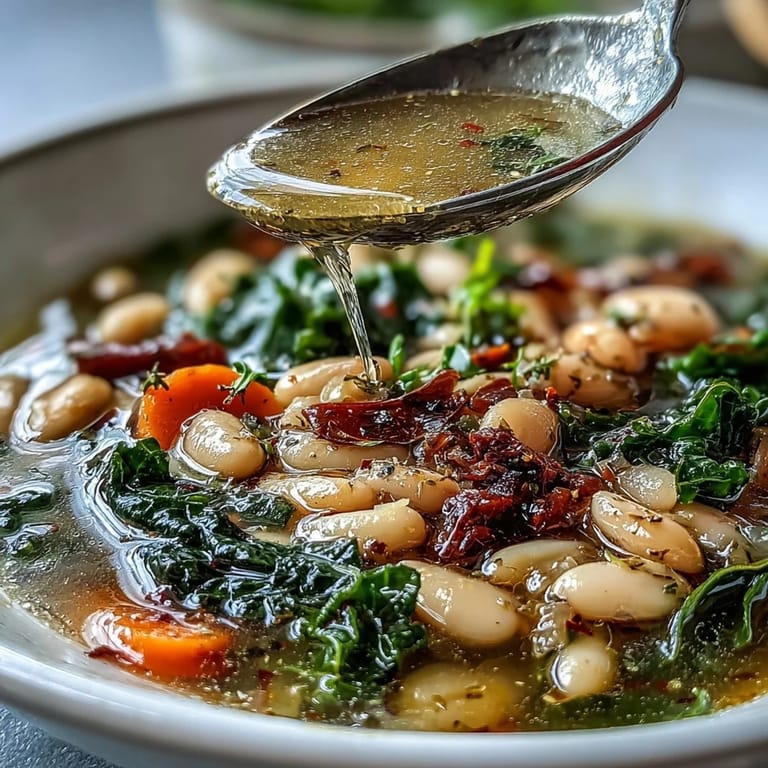
 Savor the essence of the Mediterranean with this comforting and hearty White Bean Stew. This dish is a beautiful symphony of tender cannellini beans, colorful vegetables, and aromatic spices like smoked paprika and cumin, all simmered together in a rich, golden broth of extra-virgin olive oil and savory vegetable stock.
Merken Whether you're looking for a warm meal to cozy up with on a chilly evening or a nutrient-dense option for your weekly meal prep, this stew delivers deep, complex flavors that only get better with time. The addition of fresh kale or spinach provides a vibrant pop of color and a boost of vitamins in every spoonful.
Ingredients
Tired of Takeout? 🥡
Get 10 meals you can make faster than delivery arrives. Seriously.
One email. No spam. Unsubscribe anytime.
- 2 tablespoons extra-virgin olive oil
- 1 medium yellow onion, diced
- 3 garlic cloves, minced
- 2 cans (15 oz each) white beans (cannellini or Great Northern), drained and rinsed
- 4 cups low-sodium vegetable broth
- 1 cup diced tomatoes (canned or fresh)
- 2 medium carrots, sliced
- 1 red bell pepper, diced
- 2 cups chopped kale or spinach
- 1 teaspoon ground cumin
- 1 teaspoon smoked paprika
- 1/2 teaspoon ground coriander
- 1/2 teaspoon dried oregano
- 1/4 teaspoon crushed red pepper flakes (optional)
- Salt and freshly ground black pepper, to taste
- 2 tablespoons chopped fresh parsley
- Lemon wedges, for serving
Instructions
- Step 1
- Heat the olive oil in a large pot over medium heat. Add the onion and sauté for 4–5 minutes until softened and translucent.
- Step 2
- Stir in the garlic and cook for 1 minute until fragrant.
- Step 3
- Add the carrots and red bell pepper. Cook for 3–4 minutes, stirring occasionally.
- Step 4
- Sprinkle in the cumin, smoked paprika, coriander, oregano, and red pepper flakes. Stir to coat the vegetables in the spices.
- Step 5
- Add the white beans, diced tomatoes, and vegetable broth. Bring to a gentle boil.
- Step 6
- Reduce the heat to low, cover, and simmer for 20 minutes, or until the vegetables are tender and flavors meld.
- Step 7
- Stir in the kale or spinach and cook for another 2–3 minutes until wilted.
- Step 8
- Season with salt and pepper to taste.
- Step 9
- Ladle the stew into bowls. Garnish with fresh parsley and serve with lemon wedges.
Zusatztipps für die Zubereitung
To enhance the flavor profile, you can add a pinch of saffron or a bay leaf during the simmering stage. For an extra touch of decadence, drizzle each serving with a little more high-quality olive oil right before it hits the table.
Varianten und Anpassungen
This recipe is incredibly versatile; feel free to substitute the kale with other leafy greens like Swiss chard. For those who prefer a creamier texture, you can lightly mash some of the beans against the side of the pot before finishing.
Serviervorschläge
Serve this stew with a side of crusty rustic bread for dipping, or ladle it over cooked grains such as farro or brown rice for a more substantial meal. Don't forget the fresh parsley and lemon wedges to brighten the earthy flavors.
 Merken
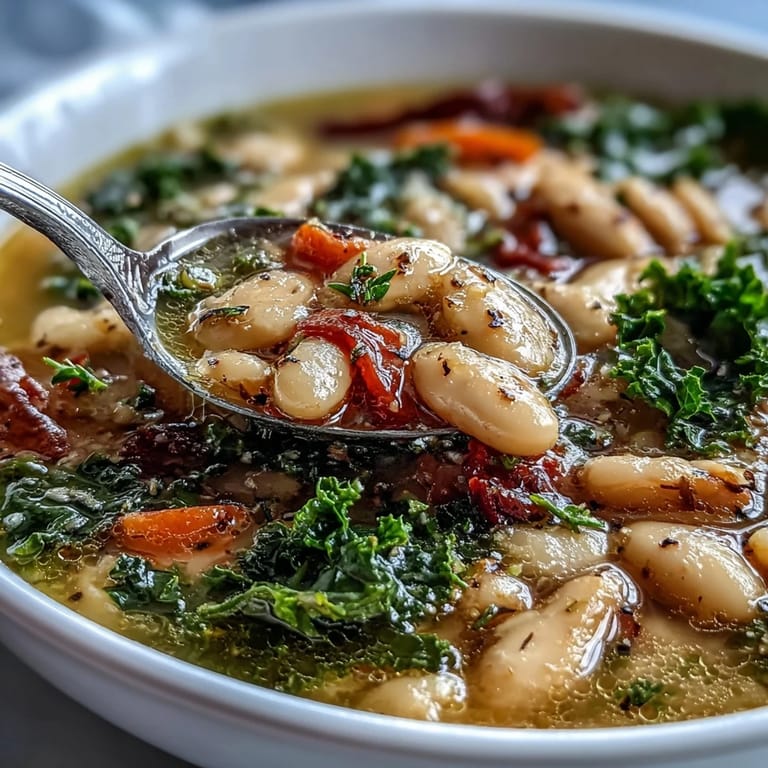
 This Mediterranean White Bean Stew is a celebration of simple, wholesome ingredients coming together to create something truly extraordinary. It’s a nourishing meal that warms the body and the soul, proving that healthy eating can be incredibly delicious.
Fragen & Antworten zum Rezept
- → Kann ich andere Bohnensorten verwenden?
Ja, Sie können Cannellini-Bohnen durch Great Northern-Bohnen, Kidney-Bohnen oder sogar Kichererbsen ersetzen. Achten Sie darauf, dass die Bohnen ähnliche Kochzeiten haben.
- → Wie lange lässt sich das Schmorgericht aufbewahren?
Das fertige Gericht hält sich im Kühlschrank bis zu 4 Tage in einem verschlossenen Behälter. Es eignet sich hervorragend zum Vorkochen und schmeckt aufgewärmt oft noch besser.
- → Ist dieses Gericht einfrierbar?
Ja, das Schmorgericht lässt sich bis zu 3 Monate einfrieren. Lassen Sie es vor dem Einfrieren vollständig abkühlen und portionieren Sie es in geeigneten Behältern.
- → Wie kann ich das Gericht proteinreicher machen?
Sie können zusätzliches pflanzliches Protein durch Linsen, Quinoa oder geröstete Kichererbsen hinzufügen. Auch ein Spritzer Zitrone am Ende erhöht die Eisenabsorption.
- → Welches Gemüse kann ich austauschen?
Anstelle von Karotten eignen sich Pastinaken oder Süßkartoffeln. Statt Paprika können Sie Zucchini oder Auberginen verwenden. Für das Blattgemüse bieten sich Mangold oder Rucola als Alternativen an.
- → Wie kann ich die Würze anpassen?
Für eine mildere Variante lassen Sie die Chiliflocken weg. Mehr Intensität erreichen Sie mit zusätzlichem Knoblauch, einem Lorbeerblad oder einer Prise Safran während des Simmerns.